
The Ghost of 1953 and the Unfinished Quest for Iranian Sovereignty
Written by
Mehdi Oghbai
Three-minute read
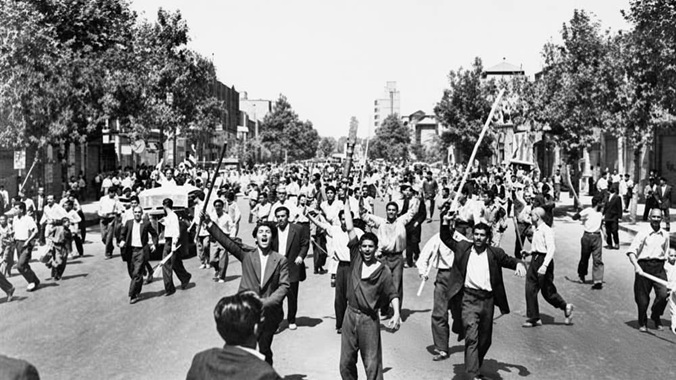
Every August 19th, the ghost of 1953 looms over Iranian history. Seven decades after the covert coup d’état that deposed Dr. Mohammad Mossadegh, Western commentary routinely treats his fall as a tragic prologue to foreign intervention in the Middle East. Yet to reduce Mossadegh’s legacy to a mere cautionary tale of CIA and MI6 meddling is to miss its most vital political lesson for today. His overthrow was not simply a historical catastrophe; it was a profound lesson in both the power of independent statecraft and the fatal vulnerabilities of unorganized democracy.
Dr. Mossadegh was a giant of twentieth-century statecraft. Having outlasted the autocratic centralization of Reza Shah, he maneuvered with exceptional skill within a parliament (Majlis) otherwise dominated by royalist sycophants. Standing as an independent force, he achieved what Western empires deemed impossible: nationalizing Iran’s oil industry and ending decades of British imperial exploitation. His legitimacy was anchored solely in the Iranian people. When a preliminary attempt to displace him erupted in July 1952, it was not foreign patrons or military guards that saved his government, but hundreds of thousands of ordinary Iranians pouring into the streets to defend his mandate.
This popular devotion stood in stark contrast to the Pahlavi dynasty. Time and again, the Pahlavis revealed the fundamental insecurity of autocratic rulers dependent on foreign backing. In 1941, Reza Shah quietly abdicated and was exiled when commanded by Anglo-Soviet forces. In August 1953, his son, Mohammad Reza Shah, panicked and fled the country to Baghdad and Rome at the first sign of instability, returning only after foreign intelligence services secured his throne. The Pahlavis governed by the grace of external masters; Mossadegh served only the Iranian nation.
The 1953 Coup and Its Warning for Today’s Iranhttps://t.co/3uo2aHALJH
— NCRI-FAC (@iran_policy) August 20, 2026
Yet Mossadegh’s fall was accelerated by an internal betrayal that reverberates today: the collaboration of the clerical establishment. Key religious figures, most notably Ayatollah Abolghasem Kashani, turned against the prime minister and conspired with the Shah, military reactionaries, and foreign intelligence officers. Terrified of a sovereign, democratic, and secular state, the clerics chose an autocratic monarch over popular democracy, a dark alliance between the crown and the turban that laid the groundwork for today’s theocracy.
Despite his strategic brilliance, Dr. Mossadegh ultimately fell because of a structural deficit. He lacked an organized, disciplined, and dedicated political apparatus capable of protecting state institutions when covert operations, paid mobs, and military subversion hit the streets. Popular goodwill, absent a dedicated organizational backbone, could not survive a calculated campaign of violence.
It is precisely this historical lesson that shaped the modern Iranian Resistance movement. The National Council of Resistance of Iran (NCRI) recognized that if a nation is to attain lasting sovereignty and democracy, popular aspirations must be anchored in an uncompromising organizational structure. In its core component, the People’s Mojahedin Organization of Iran (PMOI), the Resistance forged the disciplined framework that Dr. Mossadegh lacked.
Who was Mohammad Reza Pahlavi, Shah, Iran’s Last Pahlavi Dictator?https://t.co/0t7nTCbetQ
— NCRI-FAC (@iran_policy) April 26, 2023
For more than six decades, the PMOI has endured trial after trial: the massacres of 1988, systematic executions, forced geographical relocations from Iran to Iraq, then to Albania and multiple other third countries, foreign appeasement policies marked by blacklisting, defamation, and legal persecutions. Yet the movement never surrendered. Its members understood an immutable political truth: national sovereignty cannot be imported or granted by foreign diplomacy; it must be earned through self-reliance, sacrifice, and the willingness to pay the ultimate price.
Today, the illusion that external intervention will bring freedom has shattered. Iran’s destiny will not be decided in foreign capitals. It will be decided by the historical students of Dr. Mossadegh—the organized resistance that built the institutional strength to withstand tyranny and keep an independent movement alive. Seven decades after 1953, the path to a free Iranian republic remains open, carried forward by those who learned the hard lessons of history and built the force necessary to finish the journey.