

Water Crisis in Iran Sparks Concern Over Future Stability
Written by
Mansoureh Galestan
Iran’s worsening water crisis continues to raise concerns among officials, experts, and citizens alike. With 57% of the country’s dams nearly empty and increasing land subsidence in Tehran, the crisis poses serious risks to infrastructure, agriculture, and daily life. The situation has led to growing frustration among the public, as government mismanagement and environmental factors exacerbate water shortages.
Mehdi Pirhadi, a Tehran City Council member, recently disclosed that a classified letter had been sent to the heads of Iran’s three branches of government, warning about severe land subsidence in the capital. Tehran, home to over 15 million people, is experiencing 31 centimeters of annual land subsidence, a rate that could lead to significant structural risks over time.
Pirhadi highlighted the potential consequences: “If subsidence continues at this pace, infrastructure—including roads, buildings, and underground utilities—could face serious challenges.” Experts warn that further neglect could lead to increasing repair costs and disruptions to key services.
Iran’s water crisis extends beyond the capital. In North Khorasan Province, 77% of the dams are empty, and rainfall has dropped by 37% compared to last year. Across the country, rainfall has decreased by 33%, contributing to water shortages that impact both urban and rural communities.
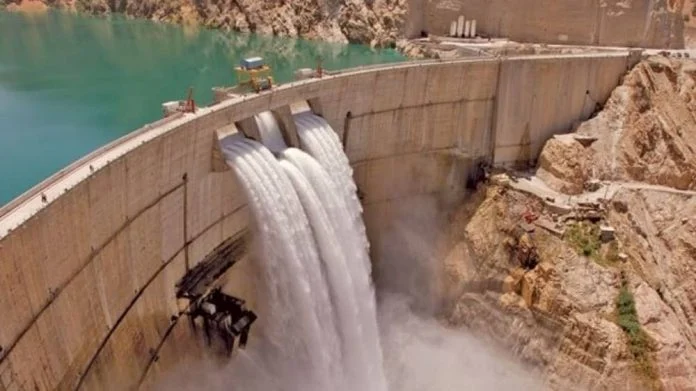
Officials from the Iran Water Resources Management Company have noted that continued declines in reservoir levels could lead to water rationing in some areas. Dams supplying Tehran—such as Lar, Latiyan, Mamloo, and Karaj—have reported significantly lower water levels, raising concerns over future water availability.
While officials cite drought and climate change as primary factors, environmental experts have pointed to issues such as excessive groundwater extraction, inefficient water use in agriculture, and outdated infrastructure as contributing to the crisis. Reports of water cuts and reduced pressure in Tehran and other cities have further heightened public concern over the government’s handling of water resources.
Water shortages could contribute to social and economic tensions. In recent years, protests over water management in provinces such as Khuzestan and Isfahan have demonstrated the potential for unrest when communities face prolonged water scarcity. The Iranian regime’s failure to prioritize sustainable water policies, its history of corrupt infrastructure projects, and a lack of transparency in resource management have deepened the crisis.
Iran is increasingly prone to unrest as environmental degradation and economic hardship converge. The regime’s failure to address these systemic issues fuels public resentment, with water scarcity now joining the list of grievances driving citizens to protest. Ultimately, a crisis that threatens the survival of the people will inevitably endanger the survival of the regime itself.