
Iran News: Widespread Protests Across Multiple Cities on August 26, 2024
Written by
Mansoureh Galestan
Iran saw a wave of protests across numerous cities on Monday, August 26, involving various groups including nurses, municipal workers, gas and oil employees, farmers, and retirees. These protests reflect the escalating discontent with economic hardships and unmet social demands nationwide.
Tehran, central Iran was notably tense, with reports of several prominent nurses being arrested for their involvement in ongoing healthcare protests. The authorities have intensified crackdowns in the capital, targeting healthcare professionals demanding better working conditions and fair wages.
August 26—Rasht, northern Iran
Retirees of Telecommunication Company of Iran resume weekly protest rallies, demanding higher pensions and other basic rights.
"Lying manager, what happened to your promises!" protesters chant#IranProtestspic.twitter.com/rHJAIpPvw9— People's Mojahedin Organization of Iran (PMOI/MEK) (@Mojahedineng) August 26, 2024
Kangan, southern Iran witnessed multiple protests. Nurses at Khomeini Hospital continued their strike, highlighting ongoing grievances over low wages and poor working conditions. Additionally, the Kangan Cement Factory workers marked the 28th day of their strike, demanding unpaid wages and better labor conditions. The persistence of these protests underscores the determination of the workers to secure their rights despite governmental pressure.
Gorgan, northern Iran saw nurses rallying in front of the Golestan University headquarters, demanding fair compensation and improved work conditions. Their protests have gained support from various labor unions, emphasizing widespread dissatisfaction within the healthcare sector in this region.
August 26—Bushehr, southern Iran
Employees of the Fajr Jam Gas Refining Company hold protest rally in front of the company's headquarters to reiterate their demands for better wages and working conditions.#IranProtests pic.twitter.com/Gfg2CJsyrM— People's Mojahedin Organization of Iran (PMOI/MEK) (@Mojahedineng) August 26, 2024
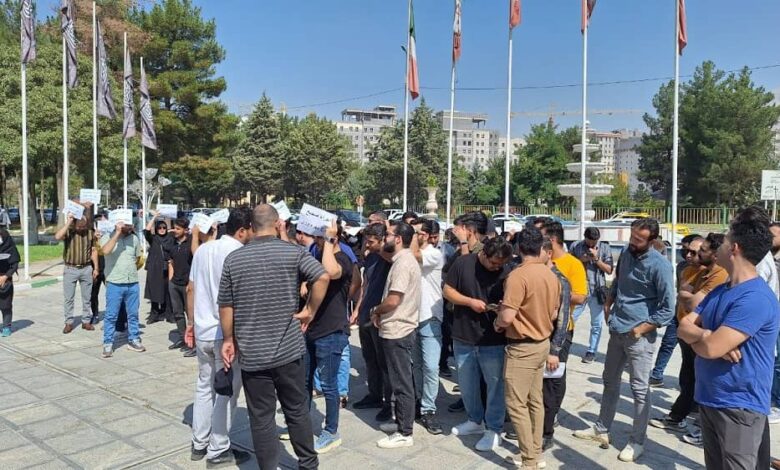
In Kermanshah, western Iran, both nurses and healthcare workers staged a protest outside the governor’s office, demanding better wages and working conditions. This city also saw protests from retirees of the Telecommunications Company of Iran (TCI), who rallied against the government’s disregard for laws requiring pension adjustments to match living costs.
Shiraz, southern Iran witnessed healthcare workers demonstrating outside the provincial governorate. The protests highlighted the government’s failure to address demands for wage increases and better working conditions for healthcare professionals.
August 26—Shiraz, southern Iran
Healthcare workers rally in front of the provincial governorate as regime authorities continue to ignore their demands for higher wages and better working conditions.#IranProtestspic.twitter.com/seaeyDRgUV— People's Mojahedin Organization of Iran (PMOI/MEK) (@Mojahedineng) August 26, 2024
Bushehr, southern Iran was a hotspot of labor unrest, with employees of the Fajr Jam Gas Refining Company protesting outside the company’s headquarters. They reiterated their demands for better wages and improved working conditions, reflecting broader dissatisfaction in the region’s energy sector.
In Isfahan, central Iran, both farmers and retirees took to the streets. Farmers gathered in front of the water department, protesting against water shortages that have severely impacted their ability to irrigate crops. Meanwhile, retirees of the Telecommunications Company of Iran staged a protest, demanding fair pensions and benefits.
August 26—Kermanshah, western Iran
Nurses and healthcare workers continue their protest rallies, demanding higher wages and better working conditions.#IranProtestspic.twitter.com/cOh45LarzR— People's Mojahedin Organization of Iran (PMOI/MEK) (@Mojahedineng) August 26, 2024
Ilam, western Iran saw municipal contractors rally outside the judiciary, demanding job security and better employment conditions. Additionally, the workers of the Ilam municipality protested outside the justice ministry office, highlighting issues with unpaid wages and insurance, which have gone unaddressed for four months.
Takestan, northwest Iran experienced protests from defrauded investors of the Reyhan Tak company. These individuals, who lost their savings, demanded accountability from the authorities and the return of their funds.
August 26—Shush, southwest Iran
Retirees of the Social Security Organization rally to reiterate their demands for higher pensions and other basic needs. #IranProtestspic.twitter.com/pwAwK6djcW— People's Mojahedin Organization of Iran (PMOI/MEK) (@Mojahedineng) August 26, 2024
In Rasht, northern Iran, retirees of the Telecommunications Company of Iran resumed their weekly protests, demanding higher pensions and other basic rights. The protestors chanted slogans like “Lying manager, what happened to your promises!” underscoring their frustration with unmet promises.
Tabriz, northwest Iran, Urmia, northwest Iran, and Sanandaj, western Iran also saw protests from TCI retirees demanding better pensions and addressing their economic grievances. In Urmia, retirees held protests twice on the same day, emphasizing their dire living conditions and low pensions.
Shush, southwest Iran hosted a protest by retirees of the Social Security Organization, who demanded higher pensions and improved benefits to cope with the rising cost of living.
August 26—Kermanshah, western Iran
Nurses rally in front of the provincial governorate to reiterate their demands for higher wages, changes to overtime work hours, and better working conditions.#IranProtests pic.twitter.com/v7sm0smMe1— People's Mojahedin Organization of Iran (PMOI/MEK) (@Mojahedineng) August 26, 2024
Lastly, Zahedan, southeast Iran, saw municipality workers rallying over unpaid wages. The municipality has not paid their salaries for three months, leading to growing frustration and economic strain among the workers.
These widespread protests across Iran demonstrate a mounting wave of discontent among various groups, from healthcare workers and retirees to farmers and municipal employees. Despite government crackdowns and attempts to quell dissent, the grievances of the Iranian populace over economic hardships and inadequate social policies continue to fuel a broad spectrum of unrest.