
Iran’s Top Petrochemical Firm Sells $246M Unit to Powerful Religious Trust
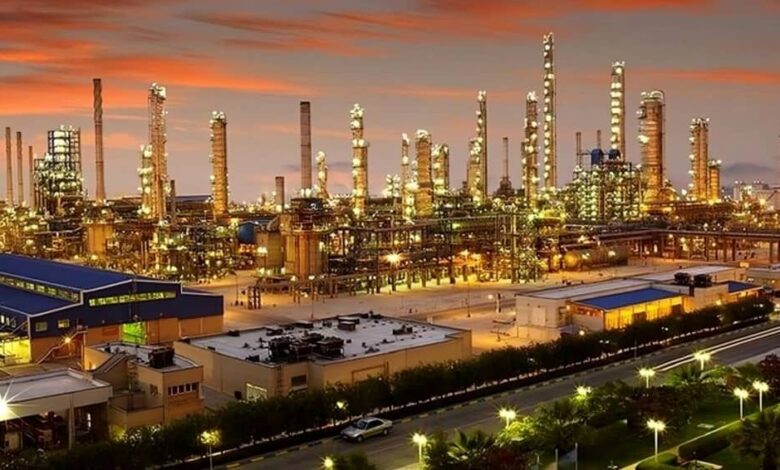
Persian Gulf Petrochemical Industries Company (PGPIC) in Iran
Written by
Mansoureh Galestan
In Iran, where economic slogans often mask deeper struggles, the Persian Gulf Petrochemical Industries Company (PGPIC) has emerged as a lightning rod for scrutiny. Recently, PGPIC sold its subsidiary, Arzesh Mandegar, to Astan Quds Razavi for a staggering 24,660 billion tomans ($246.6 million). Touted as a step toward the regime’s Supreme Leader Ali Khamenei’s vision of a “Year of Production with Domestic Investment,” this deal raises more questions than answers. Is it a genuine push for industrial growth, or a sophisticated maneuver to consolidate wealth among Iran’s elite?
PGPIC, Iran’s largest petrochemical holding company, commands 25-30% of the country’s petrochemical exports, with assets valued at roughly $8 billion. Its subsidiaries, including heavyweights like Petrochemical Bandar Imam and Nouri, are linchpins of Iran’s economy. The sale of Arzesh Mandegar, a company with minority stakes in firms like Petrochemical Pars and Bouali, was pitched as a means to fund projects nearing completion—those critical last miles of development that could boost production and exports. Mohammad Shariatmadari, PGPIC’s CEO, insists every toman will fuel petrochemical chains and feedstock supply, not operational costs.
Fact-Checking Khamenei’s Nowruz Speech in #Iran Reveals Economic Crisis and Veiled Response to U.S.https://t.co/qfizpBV2bv
— NCRI-FAC (@iran_policy) March 23, 2025
Yet, the deal’s optics are troubling. Astan Quds Razavi, the buyer, is no ordinary investor. This religious endowment, tied to the shrine of Imam Reza, wields vast economic influence with no public oversight whatsoever. Transferring Arzesh Mandegar to such an entity smells less like “domestic investment” and more like a reshuffling of assets among regime loyalists.
Skepticism deepens when you consider PGPIC’s track record. Allegations of extravagance—like a manager’s supposed “luxury” Spain trip—circulate in niche media, though evidence is thin. More damning are whispers of corruption, such as unverified claims that Petrochemical Jam, a PGPIC subsidiary, lost funds rivaling a notorious 2011 oil rig scandal. While these mysteries remain unresolved, they feed a broader narrative: PGPIC’s immense wealth often seems to benefit insiders more than the public.
#Iran’s Missing Billions: Fuel, Medicine #Scandals Reveal Depths of Regime’s Corruptionhttps://t.co/B9cKtJzfQy
— NCRI-FAC (@iran_policy) January 12, 2025
The sale’s timing also invites scrutiny. Iran’s economy is battered by sanctions, with the rial’s value plummeting and dollar shortages acute. Converting assets into cash could, in theory, provide liquidity for development—or, as critics fear, create a slush fund for elites eyeing capital flight amid tense nuclear talks.
What also raises red flags is the disconnect between Khamenei’s lofty slogans and reality: Iran’s GDP growth lags, and domestic investment remains stifled by systemic inefficiencies.
#Iranian Regime’s Shadowy Deals with #China Highlight Corruption and Sanctions Evasionhttps://t.co/iTglfofTrA
— NCRI-FAC (@iran_policy) May 7, 2024
The Arzesh Mandegar sale lays bare the rot at the heart of Iran’s clerical regime, a system steeped in corruption and systemic fraud. PGPIC’s sprawling, opaque structure is designed to hide the truth: billions flow through murky channels, with no accountability to the Iranian people. The Arzesh Mandegar deal is no economic strategy; it’s a looting operation, converting public assets into cash for the clerics’ inner circle who see no future for themselves in Iran and whose offspring have already secured dual citizenship by the thousands.