
When Courage Becomes a Crime: Iran’s Regime War on the MEK
Written by
Elaheh Azimfar
Iranian political prisoners under the threat of execution
Iranian political prisoners under the threat of execution
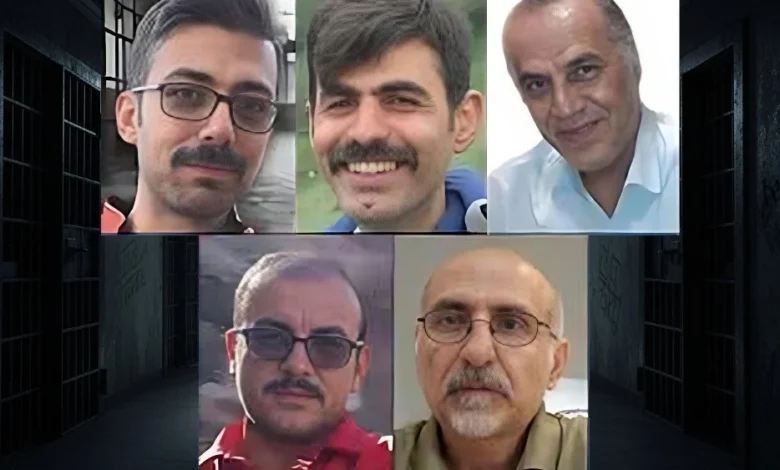
On July 27, the Iranian regime executed two members of the People’s Mojahedin Organization of Iran (MEK), Mehdi Hassani and Behrouz Ehsani. Now, it is preparing to execute even more, targeting political prisoners affiliated with the MEK. On 7 August, five— Babak Alipour (34, Law graduate), Pouya Ghobadi (33, Electrical engineer), Shahrokh Daneshvarkar (58, Civil engineer), Mohammad Taghavi (59, former political prisoner in the 1980s), and Vahid Amerian (33, MA in Management), were being transferred together with other political prisoners by bus from Fashafuyeh Prison to Evin Prison. While en route, the bus stopped, and these five were forced to get off and separated from the others. They protested and cried out, “Down with dictator! Down with Khamenei! We will stay steadfast to the end!” Prison guards severely beat them. Other prisoners protested and joined in the slogans, prompting security forces to beat them as well. Witnesses say the five were taken to Ghezel Hesar Prison, known as the site where executions are carried out.
NCRI Statement: Former #Iranian Political Prisoner Arrested for the 7th Time After a Raid on Her Househttps://t.co/rLv73IeIRU
— NCRI-FAC (@iran_policy) August 8, 2025
This campaign of repression is not limited to those already behind bars. On 6 August, the regime arrested Fatemeh Ziaie, a 68-year-old former political prisoner and MEK supporter, who now suffers from multiple sclerosis. She was at home when she was taken. Her only “crime” is her unwavering belief in freedom for her country.
The pattern is clear. The regime is directing its vengeance toward MEK members and supporters. But why? The answer lies in the regime’s fear; fear of the MEK’s growing influence inside Iran, fear of the Resistance Units who are challenging its repressive grip, and fear of the hope they are inspiring among the Iranian people.
Across the country, MEK Resistance Units have been striking blows against the machinery of repression, from symbolic acts of defiance to public demonstrations of solidarity with the uprisings. These actions pierce the regime’s image of invincibility and embolden ordinary Iranians to believe change is possible. In the minds of those in power, this is unforgivable.
The executions are not merely punitive; they are revenge. The regime seeks to crush the MEK, which it sees as the greatest threat to its survival. But in doing so, it only confirms the MEK’s position as the central force capable of liberating Iran. The courage of those targeted, whether in prison or under surveillance, is a testament to the movement’s resilience.
🧵URGENT: Iranian authorities must immediately halt any plans to execute Akbar (Shahrokh) Daneshvarkar, Babak Alipour, Mohammad Taghavi Sangdehi, Pouya Ghobadi & Vahid Bani Amerian. On 7 August, authorities violently transferred them out of the Greater Tehran Penitentiary. 1/3 https://t.co/oLa3pQgdpa
— Amnesty Iran (@AmnestyIran) August 8, 2025
Understanding this truth is essential. These arrests and executions are not isolated acts of cruelty. They are part of a calculated strategy to terrorize a population into submission and to destroy the movement that offers them a vision of freedom and democracy.
When the world recognizes this, the sacrifice of these prisoners, and those who have already paid with their lives, will be appreciated for what it truly is: heroic defiance in the face of tyranny.
It is also a test for the international community. By grasping the reality behind these executions, the world will see not only the depth of the Iranian people’s suffering but also the strength of their desire for change. This recognition must lead to action: diplomatic pressure, public condemnation, and concrete steps to hold the regime accountable.
What the world chooses to do in this moment will not be forgotten. History will remember whether governments, institutions, and peoples stood idle in the face of injustice or whether they rose to defend justice and freedom in Iran.