
Masoud Pezeshkian’s Economic Policies: A Catalyst for Unrest and Uprising in Iran
Written by
Mansoureh Galestan
The Iranian regime’s new president’s recent efforts to increase fuel prices have ignited a wave of concern among Iranians, already grappling with severe economic hardships. On August 27, Masoud Pezeshkian laid the groundwork for a potential hike in gasoline prices, arguing that the current subsidized pricing system is unsustainable. “There is no logic in buying gasoline at the free market price in dollars and selling it at a subsidized rate,” he stated, hinting at the need to raise fuel prices to align with market conditions.
Pezeshkian further expressed frustration over the government’s financial constraints, saying, “I don’t have money for wheat, for medicine, for inputs, for pensioners’ salaries, but I buy gasoline at 50,000 tomans per dollar and sell it at 10,000 tomans. Which logic accepts that we are doing this?”
The official government newspaper “Iran” attempted to downplay Pezeshkian’s remarks, stating, “Expressing opinions about gasoline prices does not mean a decision has been made,” and promising that there would be no “shock treatment” or unexpected measures. However, many citizens fear that any adjustments will only exacerbate their economic woes.
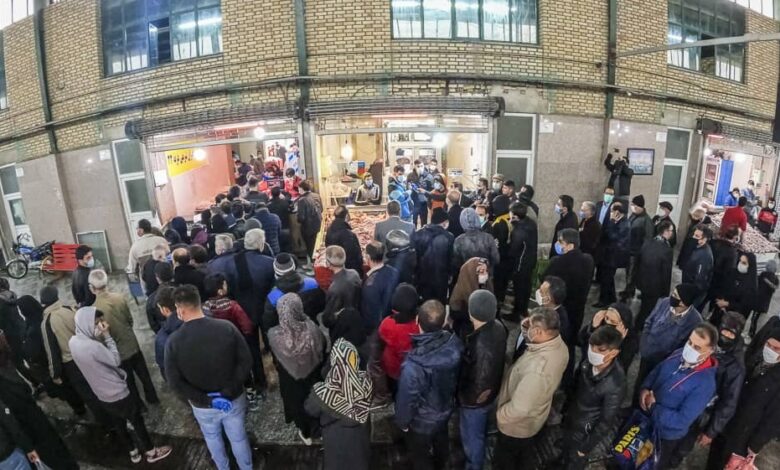
Compounding the anxiety over potential fuel price hikes is the sharp increase in food prices, which has further strained household budgets. Recent data from the Statistical Center of Iran, reported by the state-run website Didar News, shows that from the beginning of 2021 to the end of August this year, food and beverage prices have surged by 194%. This nearly threefold increase over a three-year period has placed immense pressure on Iranian families, who are already struggling with rising costs and stagnant incomes.
Grim Forecast of #Iran’s Economic Prospects Under Pezeshkianhttps://t.co/nlvKw2HUrb
— NCRI-FAC (@iran_policy) August 23, 2024
Furthermore, in a move that has drawn widespread criticism, the government has also quietly raised the price of bread in several cities, including Tehran, Tabriz, and Birjand. State media reported that bread prices in Tehran have increased by over 50% in some instances. For example, the price of simple Sangak bread has risen to 8,000 tomans and can go up to 15,000 tomans depending on the toppings. Similarly, bread prices in Tabriz have increased by 25% without any official announcement or justification from local authorities.
This unannounced price increase has sparked frustration among Iranians, who view it as yet another example of the government’s disregard for their economic well-being. Bread, a staple in the Iranian diet, is now more expensive, adding to the daily struggle of many families to make ends meet.
While the Iranian population faces these economic challenges, the regime continues to channel significant resources into its nuclear, ballistic, and regional ambitions. Just days before his inauguration, Pezeshkian met with leaders of various foreign proxy groups, including Hezbollah, the Palestinian Islamic Jihad (PIJ), and representatives of the Syrian regime. During these meetings, he reiterated Tehran’s unwavering support for these groups and emphasized that supporting the “Resistance Front” is a “religious duty” and a core policy of the Islamic Republic.
Pezeshkian’s economic policies and the regime’s broader focus reveal a disconnect between the government and the needs of its citizens. As the cost of basic necessities climbs and public discontent grows, Iran is heading toward increased unrest and potential uprisings.