
Iranian Workers’ Struggle for a Free Iran
hafttappeh-iran-workers-protests-28092021
Written by
Mansoureh Galestan
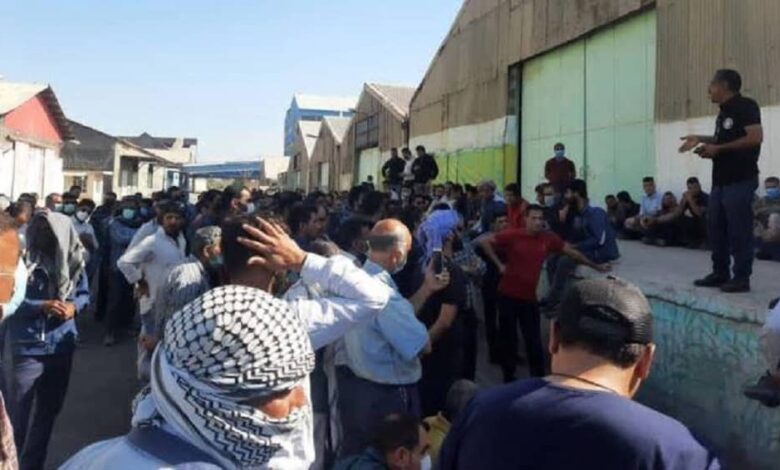
May Day, celebrated globally as a symbol of worker solidarity, carries profound significance for Iranian laborers, who have endured unparalleled adversity over the past year. Alongside teachers, students, nurses, farmers, retirees, and others, workers in Iran have faced formidable challenges, highlighting systemic issues plaguing the nation’s workforce.
Poverty and Unemployment
Iran’s economy grapples with soaring inflation rates, reaching a staggering 63.9 percent, the highest in half a century. This economic turmoil has precipitated a drastic increase in poverty levels, with the number of individuals living below the poverty line surging from 16 million to over 26 million within just four years. The repercussions are felt across society, exacerbating existing inequalities as the middle-class slides into poverty while the wealthy remain insulated.
Unemployment compounds the nation’s woes, exacerbated by reactionary policies such as the closure of commercial and service centers for non-compliance with compulsory hijab regulations. Shockingly, over half of tourism establishments faced closure due to this mandate. Basic necessities become increasingly inaccessible, with food inflation surpassing 50 percent, marking an 80-year high and further burdening already struggling households.
A document marked “very confidential”, revealed some of the state officials' suggestions and basic guidelines related to #Iran’s national Teachers’ Day and the International #Worker’s Day, attempting to prevent #IranProtests.https://t.co/xpP13iVmD7
— NCRI-FAC (@iran_policy) June 7, 2023
The Plight of Retirees
Iran’s retirees, numbering approximately 26 million, find themselves mired in dire circumstances exacerbated by the collapse of 15 out of 17 pension funds due to rampant mismanagement and corruption. Their demands for fair treatment, including salary adjustments commensurate with real inflation rates and the implementation of pension synchronization, remain unheeded. The government’s skewed budget priorities, allocating double the revenue from taxes compared to oil, underscore its negligence towards retirees’ welfare.
The Migration Crisis and Nurses’ Struggles
Nurses, indispensable to Iran’s healthcare system, endure punishing work conditions and meager salaries, with many of their demands left unaddressed. Severe shortages, estimated at 70,000 nurses, exacerbate the crisis, prompting protests against inadequate tariffs, delayed payments, and excessive workloads. The phenomenon of migration, both domestically and internationally, compounds the issue, with thousands of nurses seeking better opportunities abroad due to untenable conditions at home.
#Iranian Worker Self-immolation Due to #Poverty Is the Tip of an Iceberghttps://t.co/RUYY773VRX
— NCRI-FAC (@iran_policy) May 26, 2022
The Persistence of Struggle
Over the years, various segments of the Iranian populace, including workers, employees, and educators, have come to a clear realization. As long as the current regime remains in power, they will continue to be deprived of their fundamental rights. Consequently, they join other sectors of Iranian society in advocating for the overthrow of this regime and the establishment of a democratic republic. This envisioned republic would empower citizens to elect genuine representatives and uphold their paramount right to freedom. Recent uprisings have underscored the readiness of the Iranian people for such change. Although initially triggered by economic or livelihood grievances, protests swiftly evolve into political demands, epitomized by chants such as “Death to Khamenei” and “Death to the dictator.” These shifts reflect the underlying volatility within Iranian society.
Observing Labor Day by standing in solidarity with Iranian workers extends beyond mere expressions of sympathy; it entails actively endorsing their aspirations, foremost among them being the downfall of the current regime. Concrete steps toward this goal include advocating for the designation of the IRGC, the regime’s principal tool for repression and terrorism, as a terrorist organization. Additionally, it involves lending support to and acknowledging the courageous resistance efforts of the Iranian people and their grassroots movements, particularly the Resistance Units, in their ongoing struggle against the IRGC’s oppressive grip.