
Iran Faces Mounting Crisis: Snapback Mechanism Threats, Nationwide Military Alert, and Fear of Uprising
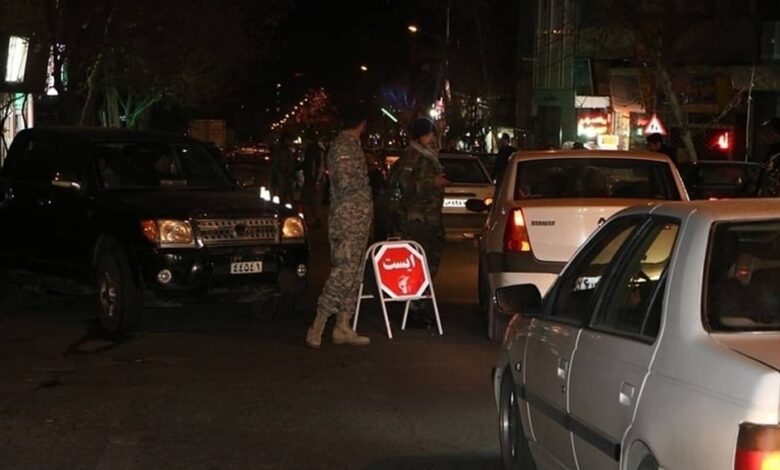
Tehran, Iran — Security forces set up a nighttime checkpoint, stopping cars for inspection
Written by
Dr. Masumeh Bolurchi
Tensions are escalating in Iran as the clerical dictatorship faces simultaneous domestic and international pressures. While European powers signal the possible activation of the UN “snapback” mechanism over Tehran’s nuclear program, the regime has responded with fierce rhetoric, threats of retaliation, and an unprecedented full-scale military alert across the country.
Snapback Mechanism: Tehran Threatens Escalation
On August 26, Iranian officials sharply condemned Europe’s consideration of triggering the UN snapback sanctions. Ebrahim Azizi, head of the parliamentary security commission, declared that “Europe has no authority to activate the mechanism” and insisted it holds “no legal validity against Iran.”
Alireza Salimi, a senior member of parliament’s presidium, went further, warning that if Europe proceeds, Tehran might exit the Nuclear Non-Proliferation Treaty (NPT) altogether. He accused European governments of violating their commitments under the 2015 nuclear deal while highlighting that Iran, in his words, “fulfilled its obligations, including concrete-pouring at Khondab.”
Hassan Beheshtipour, a regime-affiliated analyst, revealed that there is a 90% probability the snapback will be activated, citing inside discussions in Iran’s Supreme National Security Council. Control of nuclear negotiations has now shifted away from the foreign ministry to senior regime strategist Ali Larijani — a move seen by observers as preparation for confrontation rather than compromise.
#Iran’s “Neighborhood-Based Management”: A Mask for Militarized Repression https://t.co/4uwQHJkA4v
— NCRI-FAC (@iran_policy) June 7, 2025
Unprecedented 100% Alert Amid Fear of Nationwide Protests
Since August 18, the clerical dictatorship has placed its military, police, and paramilitary forces on maximum alert. Leave has been canceled for Revolutionary Guard (IRGC), army, and police units, and over 40,000 armed personnel have been deployed in Tehran alone.
This mobilization, analysts say, is not aimed at foreign threats but at suppressing potential domestic unrest. Tehran, the political and social heartbeat of Iran, remains the epicenter of regime anxiety. Local sources confirm that 23,000 IRGC and Basij fighters and 19,000 police officers have been positioned across the capital, with checkpoints and security drills conducted nightly between 8 p.m. and midnight — peak hours for public gatherings.
At the same time, regime commanders have begun constructing underground bunkers and escape tunnels in Tehran’s Qasr-e Firouzeh area. The IRGC has even switched its license plates from military green to civilian white in an attempt to blend in, underscoring what insiders describe as “deep institutional panic.”
Military industries have also ramped up weapons and ammunition production — not for external war but for a potential domestic crackdown. Observers interpret these moves as preparation for an internal conflict against Iran’s increasingly defiant population, rather than an imminent foreign confrontation.
#Iran's Regime Escalates Crackdown Following 12 Day War, Adding to Widespread Domestic Strainhttps://t.co/nZVl3jB4A9
— NCRI-FAC (@iran_policy) July 19, 2025
Economic Meltdown Sparks Social Unrest Warnings
Iran’s deepening economic crisis is adding fuel to the political tinderbox. On August 24, the regime-controlled outlet Siasat-e Rooz admitted that the Social Security Organization is on the verge of bankruptcy. The report warned: “When tens of millions lose access to pensions and healthcare, social unrest will become uncontainable.”
Analysts note that this financial collapse threatens to ignite widespread protests among workers, retirees, and low-income citizens — potentially merging with broader political dissent against the regime’s authoritarian grip.
#Iran News: Tehran Stages Security Drill Amid Fear of Renewed #Protestshttps://t.co/2KNIY4x7NU
— NCRI-FAC (@iran_policy) March 19, 2025
Internal Power Struggles and Calls for Change
Divisions inside the ruling elite are growing. Revisionist factions, led by the so-called “Reform Front,” recently issued a statement calling for:
Voluntary suspension of uranium enrichment
Renewed talks with the U.S.
Easing political repression
Release of political prisoners
The statement also urged the regime to accept greater international oversight of its nuclear activities in exchange for sanctions relief. While these demands represent a last-ditch attempt to preserve the regime in its entirety, fulfilling them would effectively undermine the authority and dominance of the regime’s Supreme Leader Ali Khamenei.
Hence, the reaction from hardliners was swift. Speaker of Parliament Mohammad Bagher Ghalibaf accused the so-called reformists of “playing into the enemy’s hands”, echoing Ali Khamenei’s line that dissent over nuclear policy serves U.S. and Israeli interests.
#Iran News in Brief
IRGC Chief: "The #internet acts as a weapon of mass destruction. The enemy wants to mobilize the youth to serve their own goals, and to lead them to #protests and riots." #IranRevoIution https://t.co/TeoECUEZsC pic.twitter.com/5wgmP5PFtP— NCRI-FAC (@iran_policy) November 2, 2022
Outlook: Escalation Ahead
The clerical dictatorship now faces simultaneous crises:
Mounting international isolation over its nuclear program
Massive economic insolvency fueling public discontent
Deepening political fractures within ruling factions
An unprecedented security mobilization to suppress potential uprisings
Many observers believe the regime’s increasingly repressive posture signals weakness, not strength. A state that needs 40,000 armed personnel to secure its capital, they argue, fears its own people more than any foreign adversary.