
Iran Regime’s Terrorist Plot in Nigeria Revealed
By Mahmoud Hakamian
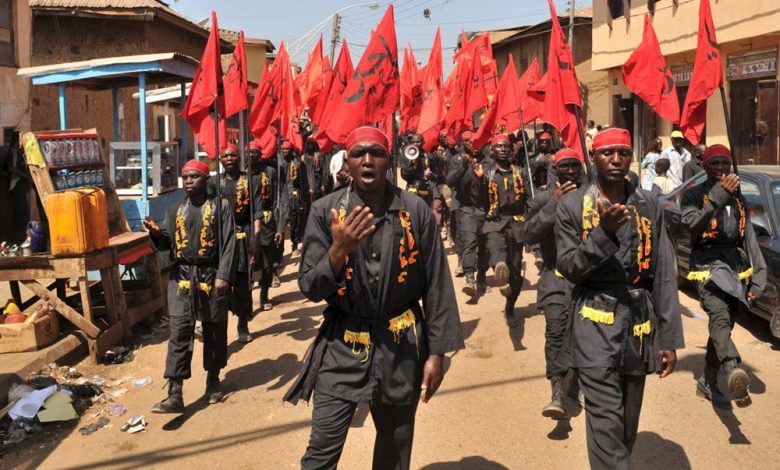
A civil society organisation in Nigeria reported that it had uncovered plots by the Iranian regime and so called Islamic Movement in Nigeria (IMN) to terrorize the African country.
The Coalition for Nigeria said that Iran regime is using IMN extremists to create another terrorist sect in Nigeria after the mullahs donated $20 million to the group to fund terrorist activities.
Patriot Sabo Odeh, the National Convener of the coalition, said on Saturday that the IMN is an affiliate of Islamic State West Africa Province (ISWAP) and should be declared a terrorist group. He called the Nigerian government, especially the Attorney-General and Minister of Justice, to designate the IMN immediately.
He said: “We are aghast at the tolerance and continuous celebration of the glaring importation and practice of the Iranian regime’s religious extremism in Nigeria by the so-called Shiites. It’s a serious potential threat to national security and sovereignty of the Federal Republic of Nigeria. Unfortunately, the federal authorities are handling it with kid gloves.”
Odeh noted that the IMN has repeatedly endangered the lives of law-abiding Nigerians during violent demonstrations or open attacks. He also said that the IMN is operating a “republic within a republic”, which is notably the same way that Iran took power in Lebanon with the Hezbollah militia group.
He said: “The hesitance of the [Government of Nigeria] to declare IMN a terrorist group is responsible for its sustained acts of threats to public security and safety. It has stretched to the extent it is now ominous that the continued existence of the Nigerian state and its civilian populations are under threats by the nebulous and overt criminal actions of the sect members… We gathered reliably that the IMN group in Nigeria allegedly received over $20 million donation recently from the Iranian regime to fund terrorist activities in Nigeria.”
In addition to the $20 million donation, Odeh explained that IMN’s leaders have never hidden the group’s affiliation to ISIS and the Iranian regime, with many of them openly boasting about “importing the Iran regime’s retrogated ideology into Nigeria and the West Africa sub-region”.
Odeh said: “We dare say, the Nigerian Government particularly the AGF/Minister of Justice is senselessly romancing an emerging terror sect in the country. This is unacceptable and condemnable. IMN headquartered in Kaduna State has been outlawed. And logically, nobody has the legal right to operate under its banner anywhere in Nigeria as they constantly assemble to violently invade Abuja.”