

How Iran Sacrifices Its Proxies to Ensure Its Survival
Written by
Mehdi Oghbai
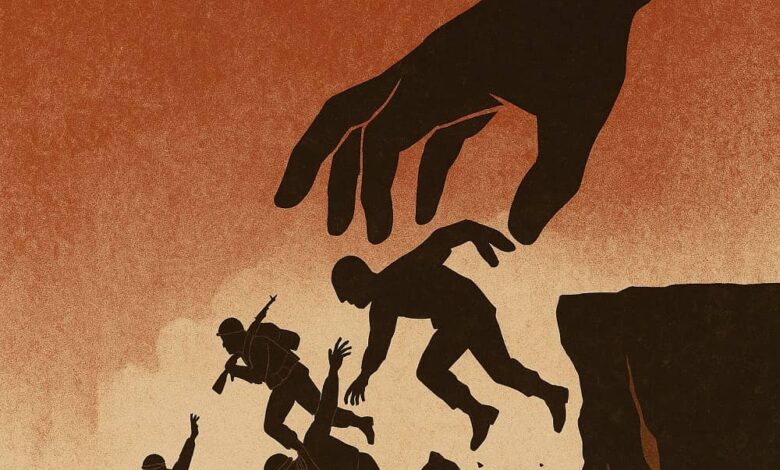
Iran’s clerical regime, once parading its supposed dominance across the region, is now frantically retreating from conflicts it can no longer control. Tehran is discarding its proxies and allies at a pace that reflects sheer desperation rather than strategy. Its claims of being the guardian of the so-called ‘Resistance Axis’ have proven hollow, as the regime’s priority has always been survival over loyalty.
From Yemen to Lebanon to Gaza, Tehran has systematically betrayed those it once touted as pillars of its regional influence. And as the Iranian people’s sustained defiance chips away at the regime’s foundations, some countries, recognizing Tehran’s vulnerability, have opted to confront it directly rather than indulge its bluster. The clerics’ rhetoric of regional dominance is now crumbling under the weight of betrayal, domestic rebellion, and a desperate bid for self-preservation.
Throwing allies under the bus
The latest humiliation came on April 3, 2025, when Iran ordered its military personnel to leave Yemen, effectively abandoning its Houthi allies. According to The Telegraph, an Iranian official admitted that the move aimed to avoid direct confrontation with the U.S. Tehran’s retreat is rooted in its own weakening power. The regime’s hollow authority has been exposed through decades of uprisings, mass protests, and a growing realization among Iranians that Khamenei’s theocracy is more fragile than it pretends to be.
#Iran: April Fool's Day with a Delay! A source inside the Iranian regime claimed on condition of anonymity that the regime will no longer help the Houthis! Two important points:
First, any reduction in this aid stems not from intent but from the prevailing war conditions that…— Mohammad Mohaddessin (@Mohaddessin) April 4, 2025
The Iranian regime’s betrayal of the Houthis is not isolated. Even Hezbollah, once touted as the regime’s most loyal and formidable proxy, has been left exposed to its enemies. According to Asharq Al-Awsat on September 24, 2024, Tehran left Hezbollah floundering under a brutal series of Israeli airstrikes.
This betrayal has sparked outrage even within Iran’s own ranks. As reported by NCRI on January 11, 2025, state-run media outlets have begun attacking former intelligence officials for publicly criticizing Iran’s abandonment of Hezbollah. The controversy over comments made by Mohammad Sadegh Koushki, accusing the regime of betraying Hezbollah, highlights an internal rift within the regime itself.
Fearing Strategic Defeat, #Iran’s Regime Threatens with More Terror against #Hajj Pilgrimagehttps://t.co/1OeIKr5Dl7
— NCRI-FAC (@iran_policy) May 8, 2024
A Regime Built on Bluster
For years, Iran’s regime has boasted of its strength. IRGC commanders threatened to turn Tel Aviv and Haifa into dust. State media hailed the supposedly unstoppable regional “Resistance Axis” stretching from Tehran to the Mediterranean. Yet, when Qassem Soleimani was eliminated and its proxies pummeled across the region, the regime’s rhetoric crumbled into silence. Its loudest threats are little more than thunder without rain.
Appeasement has been the West’s greatest mistake. Every time the Iranian regime is allowed to maneuver without consequence, it grows bolder in repression at home and terrorism abroad. Western negotiators have for years tried to buy goodwill from Tehran, hoping to moderate the regime’s behavior through concessions. The clerical regime understands this game well: it survives not by strength but by exploiting the West’s leniency while crushing dissent at home.
But it is not foreign pressure that has brought Tehran to the edge—it is the courage of the Iranian people. The repeated nationwide uprisings of recent years have proven that Khamenei’s regime is fundamentally weak. The dictatorship may have had the capacity to brutalize its defenseless citizens, but it has repeatedly shown itself unwilling to truly confront external enemies. Instead, Tehran lashes out at its proxies and leaves them to fend for themselves whenever the heat becomes too much.
Appeasement with #Iranian Regime Cannot Change its Fate, Only Extend the Sufferinghttps://t.co/LkEJxCYtrl
— NCRI-FAC (@iran_policy) December 17, 2024
The lesson is clear: Iran retreats when confronted by unwavering, decisive pressure. The clerics’ betrayals of their proxies are not signs of strategic recalibration but of a regime rotting from within, terrified by the defiant voices of its own people. The more the Iranian people resist, the weaker Khamenei’s regime becomes. And as Tehran’s betrayals mount, its network of proxies will eventually realize that loyalty to the clerics is a one-way street to oblivion.
The solution
As history has shown, the clerical regime in Iran must be confronted with firm action, not hollow rhetoric. The first and foremost victims of this regime have always been the Iranian people themselves—those who have risked and sacrificed their lives by the tens of thousands to bring this regime down. From the massacres of the 1980s to the uprisings of recent years, Iranians have repeatedly demonstrated their readiness to dismantle a regime that has only delivered repression and ruin.
Instead of granting the regime more opportunities to manipulate and evade accountability, the world must recognize and support the Iranian people’s organized resistance. Their struggle is not only a fight for democracy in Iran but a crucial step toward peace in the Middle East and stability across the globe.