
Iran Uprising: Continued Resistance in Cities, Italy Joins Calls of Proscribing IRGC
Iran Protests – January 2026
Written by
Mansoureh Galestan
Despite a draconian internet blackout now entering its twentieth day, the nationwide uprising in Iran shows no signs of abating. As of January 27, 2026, fresh reports and footage emerging from behind the regime’s digital iron curtain reveal intense nightly clashes in major metropolitan centers. While the clerical regime attempts to suffocate the flow of information, its own officials have begun openly admitting to the organized nature of the resistance and the precariousness of their security apparatus.
Night Battles in Tehran and Mashhad
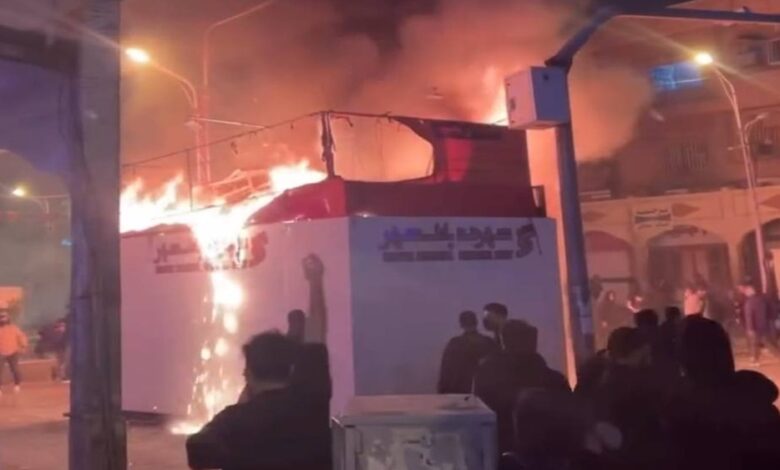
In the capital, Tehran, and the northeastern city of Mashhad, the streets have transformed into zones of conflict. Footage received from Mashhad depicts a volatile atmosphere reminiscent of a war zone. Amidst the darkness, the continuous sound of gunfire and explosions rings out as security forces engage in direct fire against protesters. Rebellious youth have responded with hit-and-run tactics, setting fire to street obstacles to neutralize the mobility of suppression units.
January 8—Mashhad, northeast Iran
Newly obtained footage shows security forces using live ammunition against unarmed protesters, who are trying to take cover and continue their protest rallies.#IranProtests pic.twitter.com/mwWlUFgZey— People's Mojahedin Organization of Iran (PMOI/MEK) (@Mojahedineng) January 27, 2026
In western Tehran, the intersection of Ayatollah Kashani Boulevard and Abazar Street became a flashpoint for some of the heaviest fighting recorded this month. Protesters were heard chanting, “We will die, but we will take Iran back,” signaling a resolve that transcends the fear of death. In a chilling testament to the state’s brutality, security forces broadcast threats over loudspeakers, declaring, “If you make an illogical move, we have judicial orders and will shoot you with live ammunition.”
Simultaneously, the Elahiyeh district in Tehran witnessed large-scale gatherings where organized chanting and direct confrontations with security units challenged the regime’s control over the city’s north.
January 8—Tehran, Iran
Newly obtained videos show protesters facing off against the regime's brutal security forces during one of the most intense days of the nationwide uprising.#IranProtests pic.twitter.com/JI6XseDETh— People's Mojahedin Organization of Iran (PMOI/MEK) (@Mojahedineng) January 27, 2026
The Human Toll: Over 780 Martyrs Identified
The resilience of the uprising has come at a staggering cost. On January 27, the People’s Mojahedin Organization of Iran (PMOI/MEK) published the names of 87 additional martyrs, bringing the total number of identified victims to 781 since the uprising began in late 2025.
The new list underscores the indiscriminate nature of the crackdown. Among the newly identified victims are 16 women and four children and adolescents aged between 11 and 17. One of the youngest victims, 11-year-old Huzaifa Oustakh from Mashhad, stands as a grim symbol of the violence unleashed against Iranian citizens. The PMOI notes that to date, at least 44 minors and 100 women have been confirmed killed by security forces.
Regime Officials Admit “Organized” Resistance
For years, the Iranian regime has dismissed protests as scattered riots incited by foreign elements. However, the tone in Tehran has shifted to alarm. Ali Larijani, Secretary of the regime’s Supreme National Security Council, acknowledged on January 26 that the current wave of unrest is fundamentally different.
“Security forces have identified the ringleaders… these are not individuals who just came out of their houses to chant,” Larijani stated. He admitted that protesters are organized and armed. His comments reveal deep anxiety within the regime regarding the protesters’ capability to fight back against the regime’s brutal forces, which Larijani characterized as an attempt to incite “civil war.”
Furthermore, the regime has openly prioritized its survival over economic stability. Fatemeh Mohajerani, spokesperson for the administration of Masoud Pezeshkian, confirmed that the weeks-long internet blackout was a directive from the Supreme National Security Council. “In conditions where security is in danger… the internet had to be cut,” she admitted, acknowledging the damage to businesses but insisting that “security comes first.” NetBlocks confirms that as of January 27, the shutdown is approaching its 20th day, with connectivity heavily filtered.
⚠️ Update: With #Iran's internet shutdown approaching day 20, many networks are becoming visible internationally.
HOWEVER:
📵 No return to usual: Web still heavily filtered on a whitelist basis.
🔧 Circumvention still needed: The opening of protocols can enable new workarounds. pic.twitter.com/psHtkAWeTi— NetBlocks (@netblocks) January 27, 2026
Diplomatic Consequences: Europe Moves to Blacklist IRGC
The ferocity of the crackdown is rapidly isolating the regime on the international stage. In a significant policy shift, Italy’s Foreign Minister Antonio Tajani announced on January 26 that Rome will push for the European Union to designate the Islamic Revolutionary Guard Corps (IRGC) as a terrorist organization.
Citing the “heinous acts” committed during the suppression of protests and the “losses suffered by the civilian population,” Tajani stated that Italy would coordinate with partners to sanction those responsible. This move marks a departure from Rome’s previous caution and signals that the death toll on the streets of Iran has made business as usual impossible for Europe.
The regime’s admission that it faces an organized, fearless opposition armed with the will to fight back—coupled with the crumbling of its diplomatic standing in Europe—indicates a deepening crisis. While the authorities rely on blackouts and bullets to maintain power, the nightly battles in Tehran and Mashhad demonstrate that the demand for regime change has only grown louder.