
Prisoners in 56 Iranian Facilities Mark 119th Week of “No to Executions Tuesdays” Campaign
Political Prisoners Launch Nationwide Hunger Strike in 81st Week of “No to Execution Tuesdays”
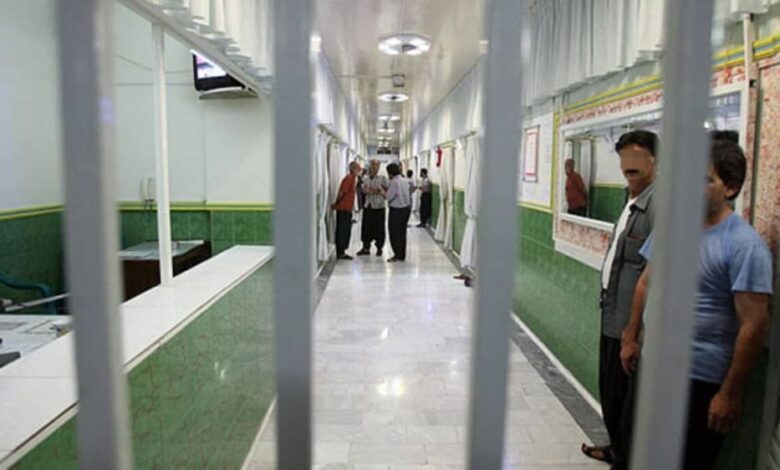
Interior view of Semnan Province, located in north-central Iran
Written by
Safora Sadidi Mohammadi
Political prisoners across 56 prisons in Iran launched a coordinated hunger strike on Tuesday, May 5, 2026, marking the 119th consecutive week of the “No to Executions Tuesdays” campaign. In a newly released statement, the campaign warned of a sharp rise in executions, attributing it to what it described as the judiciary’s increasing submission to Iran’s security apparatus.
Security Bodies Blamed for Surge in Executions
The statement asserts that the escalation in executions is “the result of the judiciary’s submission to security institutions,” including the Ministry of Intelligence (VAJA), the IRGC Intelligence Organization, and the Supreme Council for Intelligence Coordination. According to the campaign, these bodies are driving a broader use of capital punishment to suppress dissent.
The activists emphasized that executions are not limited to political prisoners. They reported a wider increase in executions over the past week, including inmates charged with non-political offenses, reflecting what they describe as a systematic intensification of repression.
Message from #NoDeathPenaltyTuesday campaign across 56 prisons in Iran during the 119th week of hunger strike:
“We, the members of the ‘No to Execution Tuesdays’ campaign, call upon all awakened consciences and opponents of executions, human rights organizations, and the…
— IRAN HRM (@IranHrm) May 5, 2026
Recent Executions Highlighted
The statement recalled several recent executions, including that of 21-year-old political prisoner and karate champion Sasan Azadvar in Isfahan. It also named three individuals executed in Mashhad—Mehdi Rasouli, Mohammadreza Miri, and Ebrahim Dowlatabadi—who were detained during the January 2026 uprising. Another protester, Mehrab Abdollahzadeh, arrested during the 2022 nationwide protests, was executed in Urmia.
The campaign warned that many detainees from recent protests remain at imminent risk of execution.
The statement also accused judiciary chief Gholamhossein Mohseni-Ejei of threatening further executions. According to the campaign, his recent remarks included warnings directed at opponents of capital punishment and young protesters, signaling an intensification of the crackdown on dissent.
Kurdish protester Mehrab Abdollahzadeh has been executed in Iran.
Arrested during the 2022 protests, he was held in solitary confinement and tortured for 42 days to extract forced confessions, later used as the sole basis for a death sentence in a grossly unfair trial.
Daily… pic.twitter.com/QvkgZgdN0V— IRAN HRM (@IranHrm) May 3, 2026
Retaliation Against Prison Activists
The statement reported punitive measures against female prisoners in Tehran’s Evin Prison. Several activists affiliated with the campaign were denied visitation and phone contact after chanting “No to executions” and “Death to the dictator” during yard time last week.
The campaign argued that escalating repression, imprisonment, and executions will not deter public unrest.
“It is clear to all that policies of suppression, imprisonment, and execution cannot prevent the uprising of the people against the ruling system,” the statement said, adding that a government that has lost its legitimacy cannot resolve its crisis through violence.
Even on death row, these brave @Mojahedineng heroes remained unbowed, unbroken, and fearless, singing a powerful Resistance anthem inside the walls of Ghezel Hesar Prison. Their voices of defiance will echo forever and inspire the fight for a #FreeIran.pic.twitter.com/ooZx9dxKSU
— NCRI-FAC (@iran_policy) April 4, 2026
Call for International Action
Concluding the statement, the campaign urged “all awakened consciences, opponents of the death penalty, human rights organizations, and the international community” to take immediate and effective action to save the lives of prisoners—both political and non-political—across Iran.
The hunger strike spans dozens of facilities, including major prisons such as Evin, Qezel Hesar, Greater Tehran, Adelabad in Shiraz, and Urmia, underscoring the scale of the protest and the persistence of resistance inside Iran’s prison system.