
Iran News: UN Experts Alarmed by Post-Ceasefire Repression in Iran
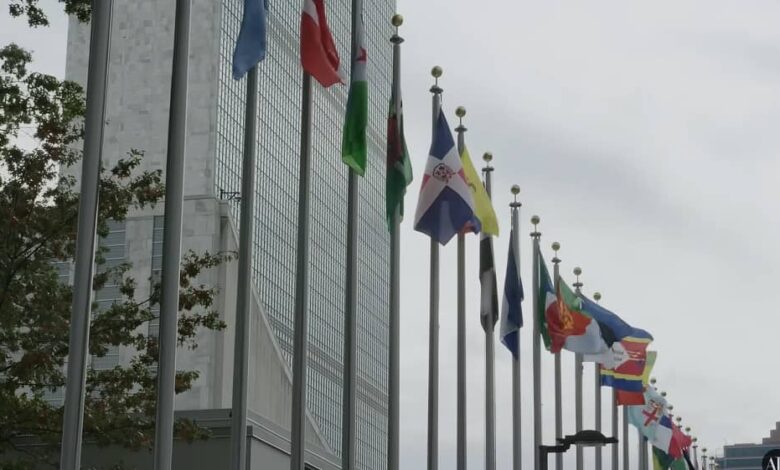
Headquarters of the United Nations in New York
Written by
Amir Taghati
Eighteen United Nations experts have expressed alarm over what they describe as an alarming escalation of repression by the clerical dictatorship in Iran following the ceasefire that ended active hostilities between Iran and Israel on 23 June 2025.
The signatories—including Mai Sato, UN Special Rapporteur on human rights in Iran, and Nazila Ghanea, Rapporteur on freedom of religion—warned that the clerical dictatorship is using the post-conflict period to intensify crackdowns on dissent, minorities, and civil society. The experts acknowledged the impact of recent military actions but emphasized that such conditions do not justify reported mass arrests, executions, and disappearances.
At least six individuals have reportedly been executed for alleged espionage, including three Kurdish men. Hundreds—including journalists, social media users, human rights defenders, and ethnic and religious minorities such as Baha’is, Kurds, Baluchis, and Ahwazi Arabs—have been detained on charges of “espionage” or “collaboration.”
UN experts urge #Iran to choose protection over repression after ceasefire, expressing concern over reports of executions, enforced disappearances, and mass arrests since hostilities began on 13 June 2025.https://t.co/8q8PqI0TZZ pic.twitter.com/06Wys3ZO7r
— UN Special Procedures (@UN_SPExperts) July 4, 2025
Afghan nationals have also been heavily targeted. Some 256,000 Afghan migrants were deported from Iran in June alone, raising serious concerns of refoulement, a violation of international law.
The experts expressed alarm over reports of “fast-track” espionage trials and a draft law that could expand the use of the death penalty by classifying intelligence-related activity as corruption on earth. They also denounced incitement in state-affiliated Persian and Arabic media, which they say has incited violence and dehumanized minority communities—especially Baha’is—by portraying them as traitors or “filthy rats.”
Press release: Post-conflict situations must not be used as an opportunity to increase repression against ethnic and religious minorities or suppress dissent. I am alarmed by reports of executions, mass arrests, particularly against of minorities, notwithstanding the impact of…
— Mai Sato (@drmaisato.bsky.social) (@drmaisato) July 4, 2025
Following Israeli strikes on Evin Prison, detainees were reportedly transferred to Tehran’s Great Penitentiary and Qarchak Prison, where they face degrading conditions. The fate of some prisoners remains unknown, raising the specter of enforced disappearance.
The experts warned that the international community is closely watching the Iranian regime’s behavior in the aftermath of the ceasefire. “Iran must not allow history to repeat itself by resorting to the same dark patterns of repression that have devastated its people in previous post-conflict periods,” they said.
The UN experts have formally contacted Iranian authorities regarding these concerns.
Iran News: UN Experts Alarmed by Post-Ceasefire Repression in Iran