
Iran News: Six Construction Workers Die Daily Amid Worsening Safety and Insurance Crisis
Written by
Mansoureh Galestan
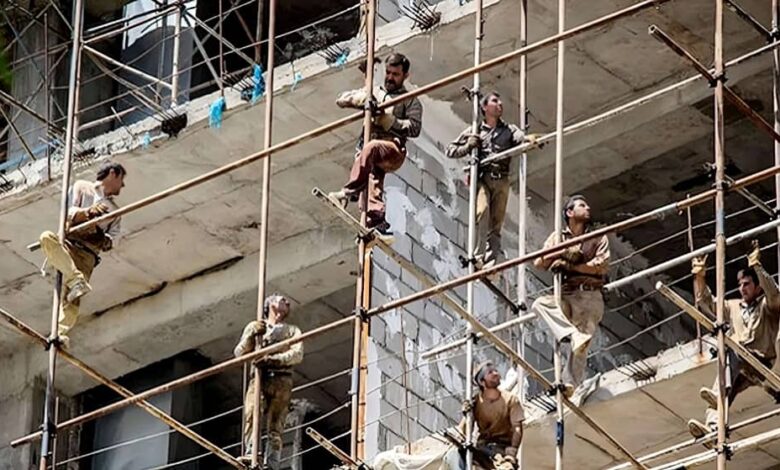
A recent report by the state-run Tejarat News has revealed alarming statistics regarding the safety of construction workers in Iran. Citing official data, the report states that nearly six construction workers die every day due to workplace accidents, most of which stem from unsafe working conditions. These incidents are primarily caused by falls from heights, electrocutions, and building collapses, all resulting from the lack of proper safety standards and training.
The grim reality for these workers is compounded by many lacking essential protections, such as insurance. According to the report, over 500,000 construction workers remain on the waiting list for social security coverage, and many tragically die before ever receiving it.
Akbar Shokat, the head of Iran’s Construction Workers’ Union, warned about the declining resources for worker insurance, citing a recent directive from the Ministry of Interior. “Due to the reduction of funds, Social Security has been avoiding its responsibility to insure construction workers, stating they will only cover as much as their budget allows,” he said in an interview with ILNA.
#Iran’s Regime Scrambles to Suppress Outrage Over #Tabas Mine Disasterhttps://t.co/ht4EPQ8aqg
— NCRI-FAC (@iran_policy) September 24, 2024
Shokat expressed frustration with the continuous barriers workers face, noting, “We are caught between the excessive demands of contractors and the support they receive from officials.” Recent directives have further reduced funds allocated to worker insurance, worsening the situation.
This growing disregard for workers’ safety and rights was tragically underscored by the explosion in Tabas, which killed 52 miners. Despite these alarming incidents, construction workers continue to work under dangerous conditions with little to no support. Iran’s minimum monthly wage for workers stands at around 11 million tomans, while the cost of living in major cities exceeds 30 million tomans, pushing many workers into financial hardship.
Over the years, Iranian workers have staged multiple strikes and protests, demanding fair wages, timely payments, and insurance. However, their efforts have been met with systemic negligence, as systemic issues continue to plague the sector, leaving workers vulnerable and unprotected.